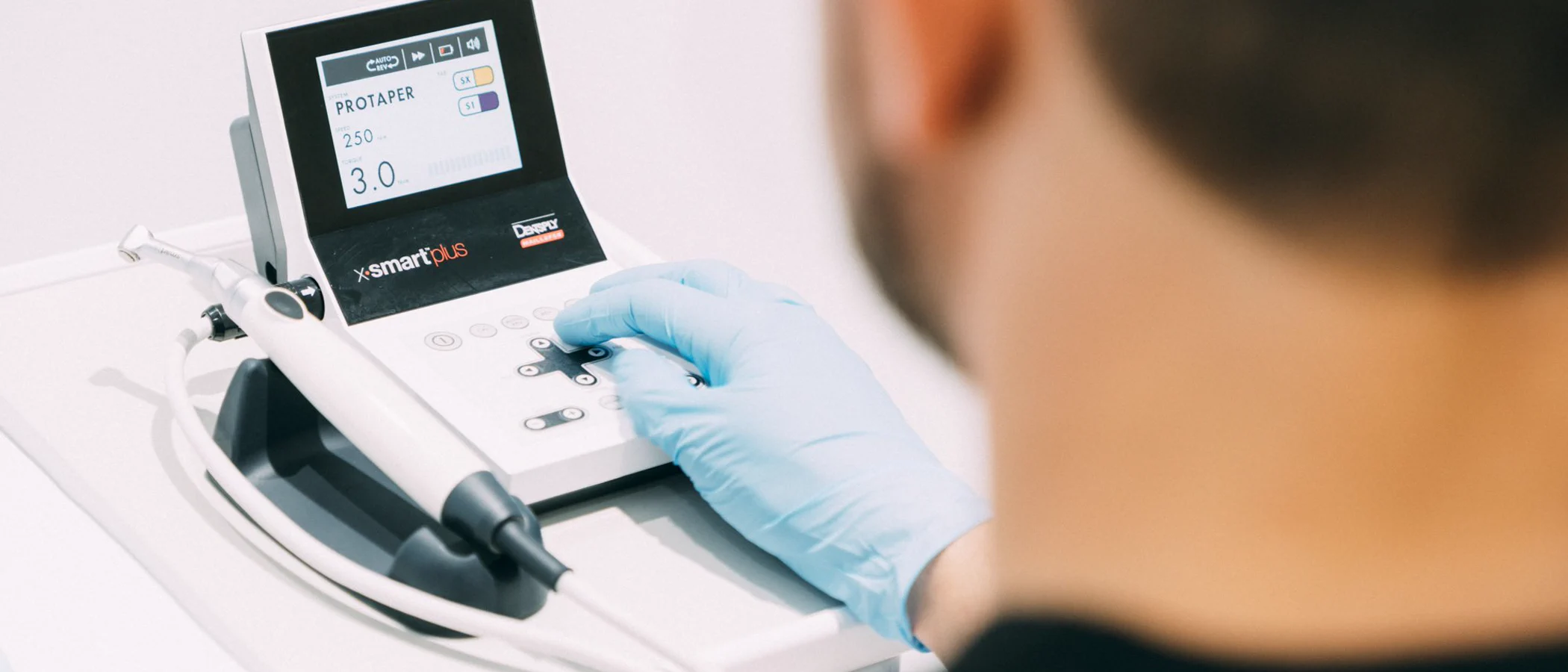
When a tooth is throbbing, cracked or held together by an old filling or crown, the choice can seem brutally simple: pay for root-canal treatment and a new restoration, or accept extraction and the cost of an implant. My first answer, as an implant dentist, is that I do not choose between treatments by price, or by the fact that an X-ray shows an infection. I first ask a more basic question: can this tooth be restored predictably?
I classify it as predictably restorable, borderline and needing more evidence, or non-restorable. That judgement comes from the remaining tooth structure, crack direction and depth, gum and bone support, bite, and the likely result after treatment. Pain and infection matter, but neither alone tells me whether a natural tooth can carry a restoration. I will explain how I make that assessment, compare each pathway's prognosis, full cost and treatment time, and show what retreatment, extraction or failure could mean. The aim is a clearer decision, not an easy one.
A diagnosis is more than an X-ray
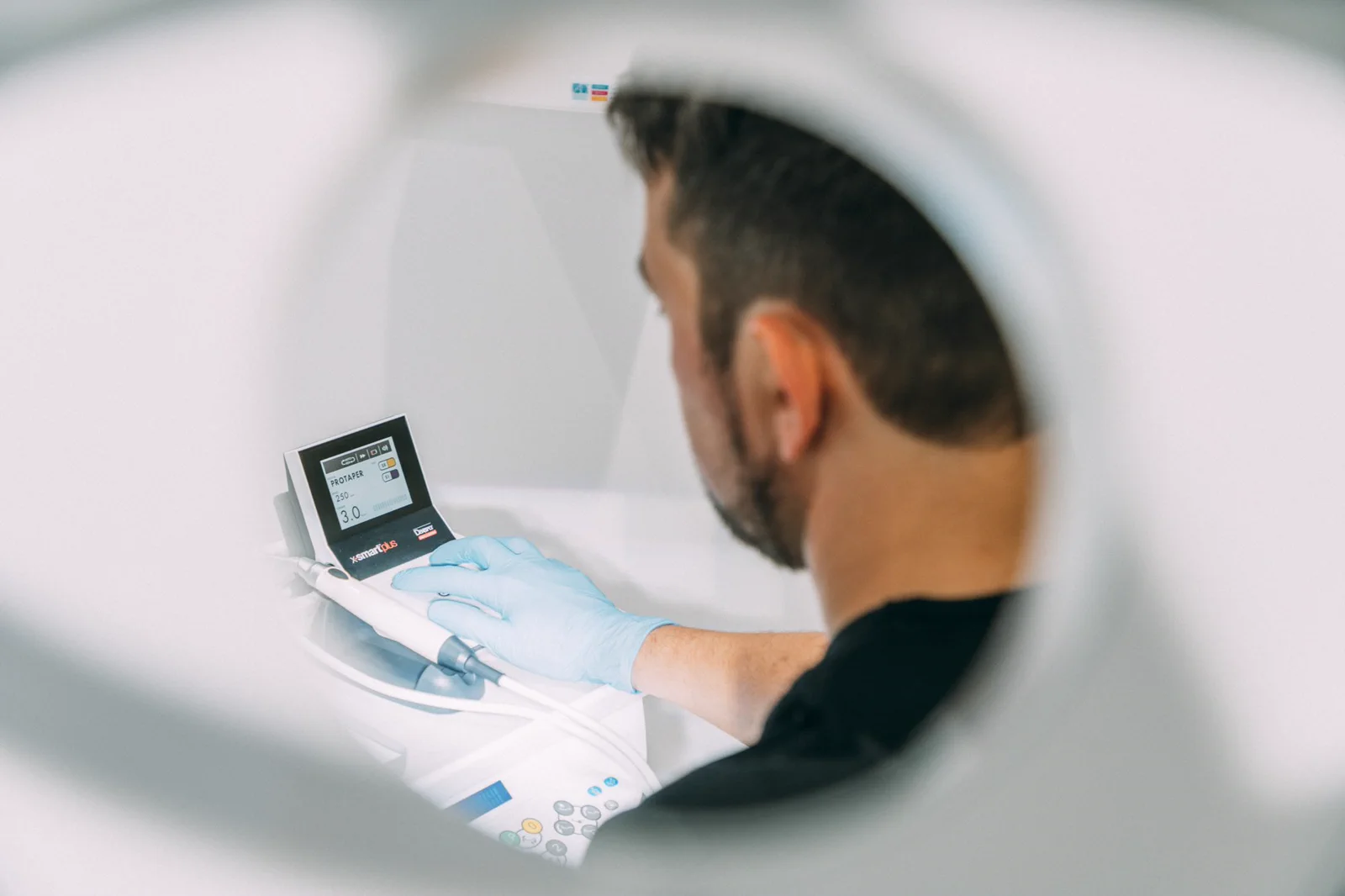
When someone arrives with a painful or heavily restored tooth, I begin with the story rather than a treatment label. I ask when pain started, whether chewing or hot and cold provoke it, whether it lingers, and whether there has been swelling, a bad taste or earlier treatment. NHS guidance recognises that pulp infection may follow decay, gum disease, a chipped, broken or cracked tooth, or an abscess. I also ask what matters most: keeping the tooth, avoiding surgery, time, cost or certainty.
Next I inspect the tooth and its neighbours. I look for lost fillings, decay, fracture lines, colour change, swelling and signs that a cusp moves independently. I test responses, tenderness, and whether biting and releasing reproduce pain. I check neighbouring teeth because pain can mislead. At Maida Smiles, I explain that these findings build a probability, not a verdict; patients should understand uncertainty before we discuss fees or treatment.
A periapical radiograph helps me assess roots, surrounding bone, previous root filling and the depth or direction of decay. It is useful evidence, but remains two-dimensional. I use CBCT selectively when examination and conventional radiographs cannot answer a question safely, such as complex root anatomy, suspected fracture or an unclear lesion. I do not order a scan to make a difficult decision look certain. Pain alone does not decide, nor does a scan.
Then I ask whether enough sound tooth remains to rebuild. In plain terms, I need a reliable band of healthy tooth above the gum for a filling or crown to grip; dentists call this the ferrule. I assess how far a crack travels and its direction. A limited cusp fracture may be protectable, while a crack below the gum or a tooth split into segments may leave little to restore. A vertical root fracture can make saving unrealistic, but I do not infer that from one symptom or image.
Finally, I assess the foundations: pocketing around the tooth, mobility, gum inflammation, bone support and bone loss. I ask about the bite, clenching or bruxism, because repeated force can undermine treatment. I then place the tooth in one of three groups: predictably restorable, borderline and needing further assessment, or non-restorable. That classification can change as evidence arrives. Only then do I discuss root canal treatment or extraction with implant replacement, weighing prognosis, priorities and alternatives rather than pain, a scan or a fee alone.
Two treatments, two biological jobs
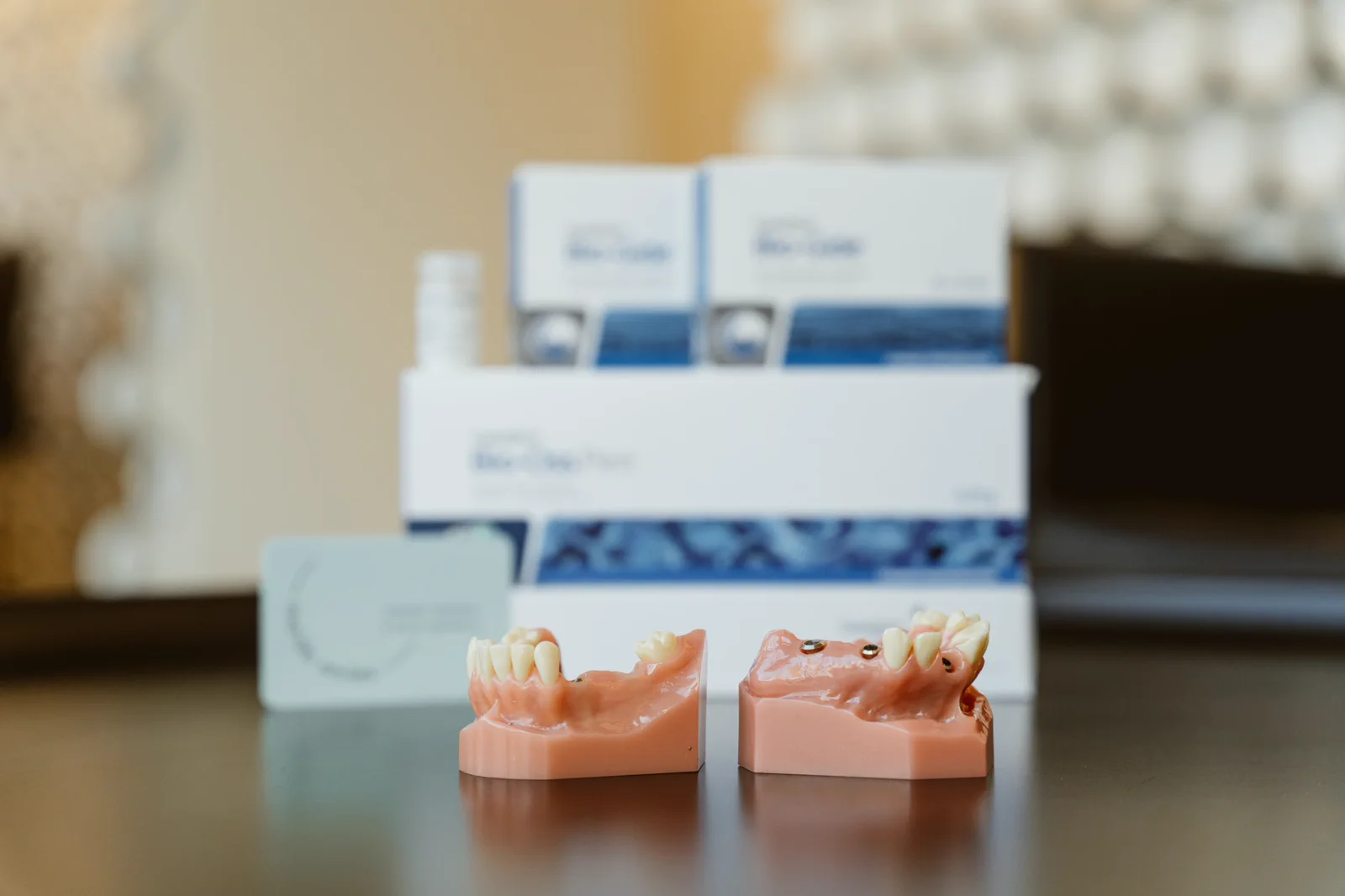
When I compare root canal treatment with an implant, I start with a simple distinction: they do different biological jobs. Root canal treatment is an attempt to keep your tooth. I remove infected or inflamed pulp, clean and disinfect the canals, then fill and seal them. The tooth remains, but it still needs a restoration, sometimes a filling, onlay or crown. Many cases take one or two visits, but complexity can mean more.
Keeping the natural tooth is valuable, but a root filling has limits. It cannot recreate a missing cusp, restore a tooth whose walls have disappeared, or make a crack in the root heal. A tooth may need further restoration, retreatment or endodontic surgery if symptoms or infection persist. If the tooth is fractured beyond repair, has inadequate support, or cannot be sealed and restored predictably, extraction may be the kinder and more honest route. That judgement belongs to a clinical assessment, not to the label 'root canal' alone.
An implant follows a different path because it replaces a missing tooth rather than repairs the original one. If a tooth cannot be restored, I may discuss extraction, preservation of the socket or grafting where indicated, then implant placement after the tissues are ready. The implant then needs to integrate with the bone; an abutment and final crown complete the tooth. The timing depends on the site, healing response and treatment plan. It is a surgical sequence, not a faster version of root canal treatment.
Before recommending either route, I look beyond the tooth itself. Medical history, smoking, general health, gum condition, bone and the tissues supporting the tooth all matter. So do plaque control, attendance for maintenance and the forces placed on the restoration by grinding or a heavy bite. An implant needs healthy tissues and reliable healing; a root-filled tooth needs a sound seal and protection from fracture. I explain what can be controlled, what adds uncertainty and what maintenance will involve, so the decision remains proportionate to the problem.
Neither treatment is an upgrade by definition, and both require maintenance over time. If a tooth is predictably restorable, I would not remove it simply to place an implant. If the prognosis is poor, repeating treatment may prolong pain, cost and uncertainty without saving a useful tooth. My role is to weigh the diagnosis, the alternatives and your priorities, then set out a plan you can understand. Sometimes that plan is to preserve the tooth; sometimes it is to replace it carefully and accept the longer biological journey.
An implant follows a different path because it replaces a missing tooth rather than repairs the original one.
Dr Pedro Gutierres
The written plan should show the whole journey
When I compare costs with a patient, I start by drawing the whole root-canal route rather than quoting the procedure alone. It may include consultation and imaging, the root-canal treatment itself, temporary protection, a core or crown, reviews and, if symptoms persist, retreatment or endodontic surgery. NHS root-canal treatment is Band 2, but that label does not describe every private restorative stage or tell us what an individual tooth will need.
Then I map the implant route: extraction, socket healing or preservation, possible bone or soft-tissue grafting, implant placement, healing, abutment and crown, with a temporary replacement where appropriate. Reviews and long-term maintenance belong in the plan too. Surgical healing usually makes this a staged process over months, and grafting can add further stages; timing depends on the site, the health of the tissues and the restoration being planned.
London private fees vary with tooth type, complexity, imaging, materials and preparation. I would not compare a root-canal fee on its own with an implant package that already includes several components. Ask for an itemised written estimate: what covers diagnosis, temporary work, the definitive crown, extraction, grafting, implant, abutment, follow-up and maintenance? Ask also what happens financially if the first route fails. A clear estimate is part of informed consent, not a sales device.
I also discuss a bridge, a denture, a monitored space or no treatment where clinically appropriate. My compact questions are: What makes this tooth restorable? Where is the crack? What is the prognosis after the crown? How long will each stage take? What happens if treatment fails? If you are speaking with an implant dentist in London, or have been offered extraction without a clear explanation, a second opinion can be sensible. It should clarify the decision, not pressure you into it.
That is the sequence I follow: diagnose the problem, assess the remaining tooth and its support, classify the prognosis, then compare complete pathways before deciding. If a tooth is predictably restorable, I favour preserving it. If saving it would be misleading or unlikely to remain stable, I explain why removal and replacement may be more honest. Pain, swelling or signs of infection deserve prompt dental assessment. When the prognosis is unclear, a consultation or second opinion can help. I can explain options, but this article cannot diagnose your tooth.