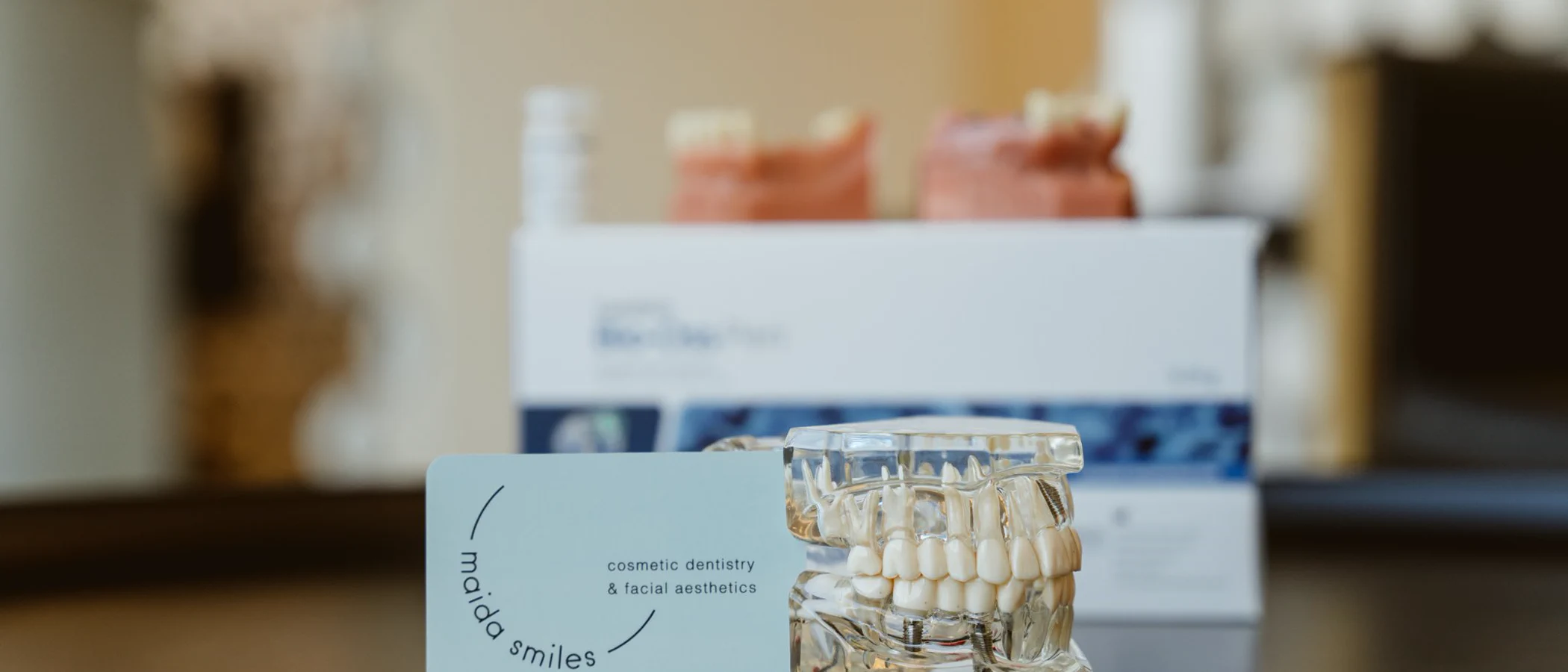
When someone asks me, 'how long do dental implants last?', I try not to answer with a single neat number. The question is rarely only technical. In a London surgery, where treatment has to be fitted around work, family, cost and a journey across the city, it is often a question about trust: will this operation hold, will the money be well spent, and will I be spared the same problem again?
The honest answer begins by separating the parts. A dental implant is not one ageing object, but a titanium fixture in bone, a crown or bridge that does the chewing, and the gum and bone around it, each with its own risks.
In my work at Maida Smiles and Paddington Smiles, I see that good conditions can allow the fixture to serve for decades, while the visible tooth may need repair or replacement sooner. As an implant dentist London patients come to for clear judgement, I cannot ethically give a lifetime guarantee, even with strong planning and a 97.6% success rate where that applies. I can give a realistic range, careful surgery, and the discipline of review.
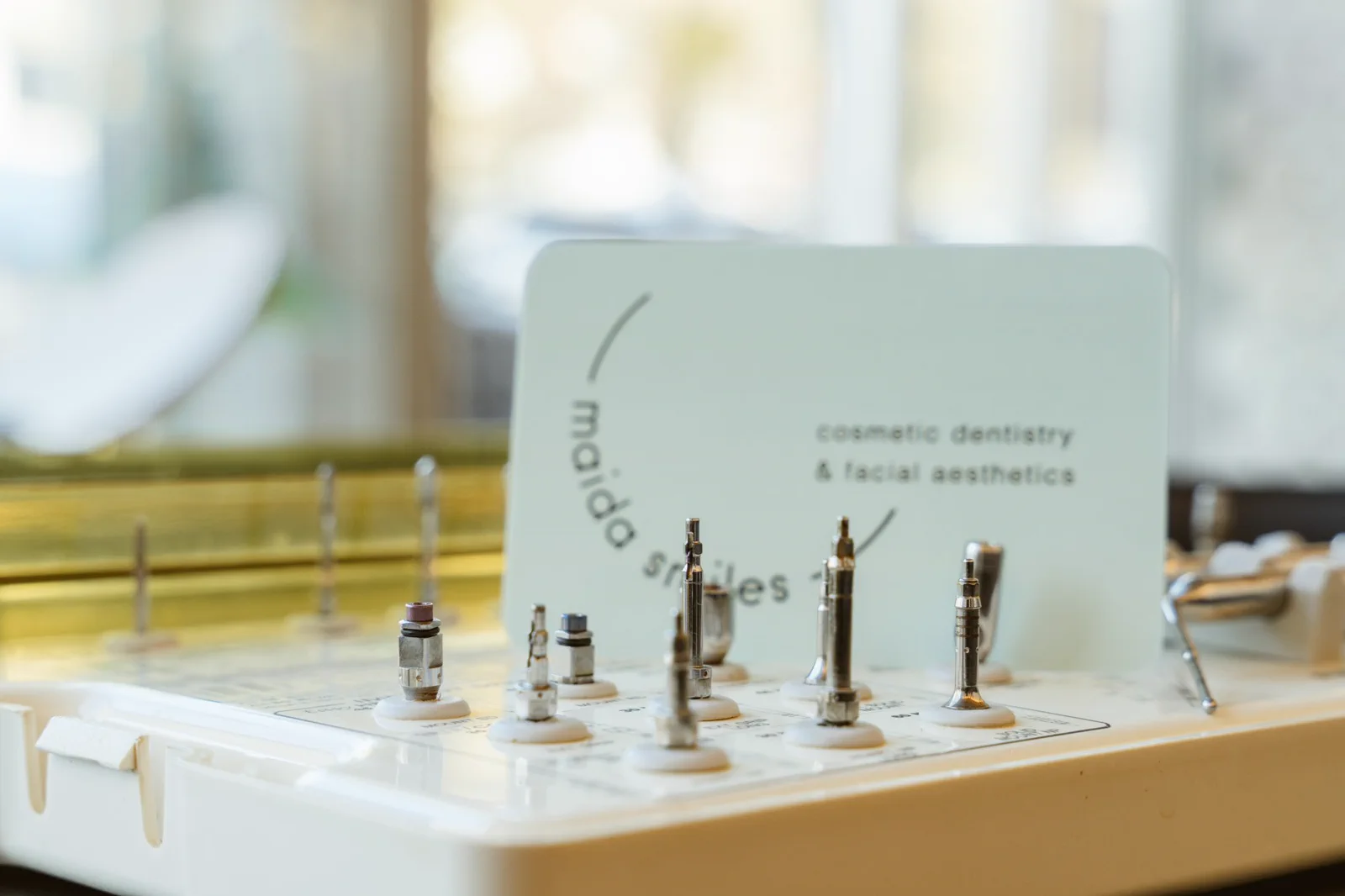
How long implants last in real life
When patients ask me about implant longevity, I give a three-part answer. The titanium fixture in the bone is one story. The crown, bridge or denture attached to it is another. The gum and bone around it are the third.
A well-planned implant, placed by an experienced implant dentist or surgeon and looked after properly, can last many years, often decades. But survival is not the same as never needing attention. In real life, the question is less like asking how long a new tooth lasts, and more like asking how well the whole site can be kept stable.
In clinical terms, implant survival is high. A 97.6% success rate is a useful figure when discussing modern treatment, but I use it carefully. It describes outcomes across groups of patients and clinical conditions. It is not a promise to one person sitting in my chair. Your own result depends on bone quality, general health, smoking, diabetes control, bite forces, cleaning, and whether you return for reviews before small problems become large ones. Good planning reduces risk, but it does not remove biology from the room.
The fixture itself is not usually the part that wears out first. More often, the visible restoration needs maintenance over time. Porcelain can chip, screws can loosen, crowns can wear, and dentures on implants may need new clips or teeth.
This is why the answer to how often dental implants need to be replaced is not simply a date in the diary. The implant may remain sound while the crown above it is repaired or remade, rather like keeping a root while changing the visible tooth. That distinction matters, because replacing a crown is very different from losing an implant.
There is also a difference between early failure and late complications. Early failure usually happens before the implant has fully integrated with the bone, sometimes because healing has not gone as planned. Late problems can appear years later, especially if inflammation develops in the gum and bone around the fixture.
For UK patients, the honest answer is that permanent means fixed and long-term, not guaranteed forever. My role is to plan carefully, review regularly, and help you keep the implant, the restoration, and the surrounding tissues healthy for as long as possible.
The implant, the crown and the gum do not age in the same way
I tend to describe a dental implant as three things living beside each other, not one object with one expiry date. One part is buried, one part is loaded, and one part is living tissue around them. The fixture in the bone is usually the most durable part.
If it has integrated well, sits in healthy bone and is protected from overload, it may remain quiet for a long time. It is not immune to trouble, but it is often less fragile than the visible tooth it carries. That distinction matters, because a repair to the tooth on top is not the same as losing the implant in the bone.
The visible part is the crown, bridge or denture attachment. This is the part that chews, shows in the smile and meets the opposing teeth every day. When patients ask me how long dental implant crowns last, I usually explain that many last for years, but they are serviceable parts. Ceramic can chip. A screw can loosen. The bite can change as natural teeth move or wear. Sometimes the crown needs polishing, repairing or replacing while the implant underneath remains healthy and useful.
The gum and bone have their own clock. They do not age like porcelain or titanium. They respond to plaque, smoking, diabetes, bite force and the small habits of daily cleaning. Peri-implant inflammation can begin at the gum margin and, if missed, can progress into bone loss.
Dental implant failure due to bone loss is not always sudden. In its earlier stages it can sometimes be stabilised with careful cleaning, risk control and treatment from an implant dentist or surgeon. In advanced disease, the support can be damaged enough to threaten the implant itself.
Maintenance is the quiet work that keeps a small repair from becoming a larger loss.
This is why I prefer to talk about dental implant maintenance care rather than rescue. Maintenance is the quiet work: checking the screw access, the bite, the crown surface, the gum pocket depths and the bone levels on appropriate X-rays. I also look for bleeding, tenderness, rough edges and places a patient can no longer clean well.
Rescue is harder, more uncertain and usually begins after symptoms have been ignored. Continuity helps, because small changes are easier to notice when the same team has the earlier records, photographs and measurements. If you are looking for an implant dentist London, I would place that continuity high on the list.
The aim is not to promise permanence. It is to keep each part, implant, crown, gum and bone, under watch before a small repair becomes a larger loss.
What most often determines whether an implant keeps serving you
The part I watch most closely is not the implant on the day it is fitted, but the conditions it has to live in afterwards. Implants do not decay, but plaque can still inflame the gum around them and damage the supporting bone. That is why dental implant maintenance care is not a polite extra. It is part of treatment: careful cleaning at home, review appointments, and professional maintenance before a small pocket becomes a deeper one.
The common dental implant failure causes are usually a mixture, not a single fault. Smoking after dental implant treatment is a genuine risk because it can slow healing and make infection harder to control; I say this plainly, without turning it into a lecture. Medical factors also matter, including diabetes control, some medicines, immune problems, previous gum disease, and the quality and volume of the bone. A 97.6% success rate still leaves room for judgement, follow-up, and early action.
Patients often ask whether they can have dental implants if they grind their teeth. Sometimes, yes. Bruxism does not automatically rule treatment out, but it changes the plan. I may need to think differently about the bite, the number and position of implants, crown material, and whether a nightguard is sensible. Heavy force may show as wear, a chipped crown, a screw loosening, or a bite that no longer feels settled.
Dental implant failure signs can include bleeding when cleaning, swelling, tenderness, a bad taste, pus, pain after the area had settled, a loosened crown, or a changing bite. Some problems are quiet, which is why I dislike relying on pain as the only alarm. My judgement line is simple: an implant is most likely to keep serving you when the biology, the bite, the cleaning, and the maintenance visits are all respected together.
An implant can serve for a long time, but I never treat it as a promise detached from biology and mechanics. The fixture, crown or bridge, gum, bone, bite and daily care all have to be respected, then reviewed as the years pass.
My answer is not forever, and it is not a frightening short number either. As an implant dentist, I would rather give a truthful range and clear responsibilities than a glossy promise. The work is judged in follow-up, in cleaning, in small adjustments made before problems grow. My aim is to make the implant easy to maintain for the next decade, not just impressive on fitting day.