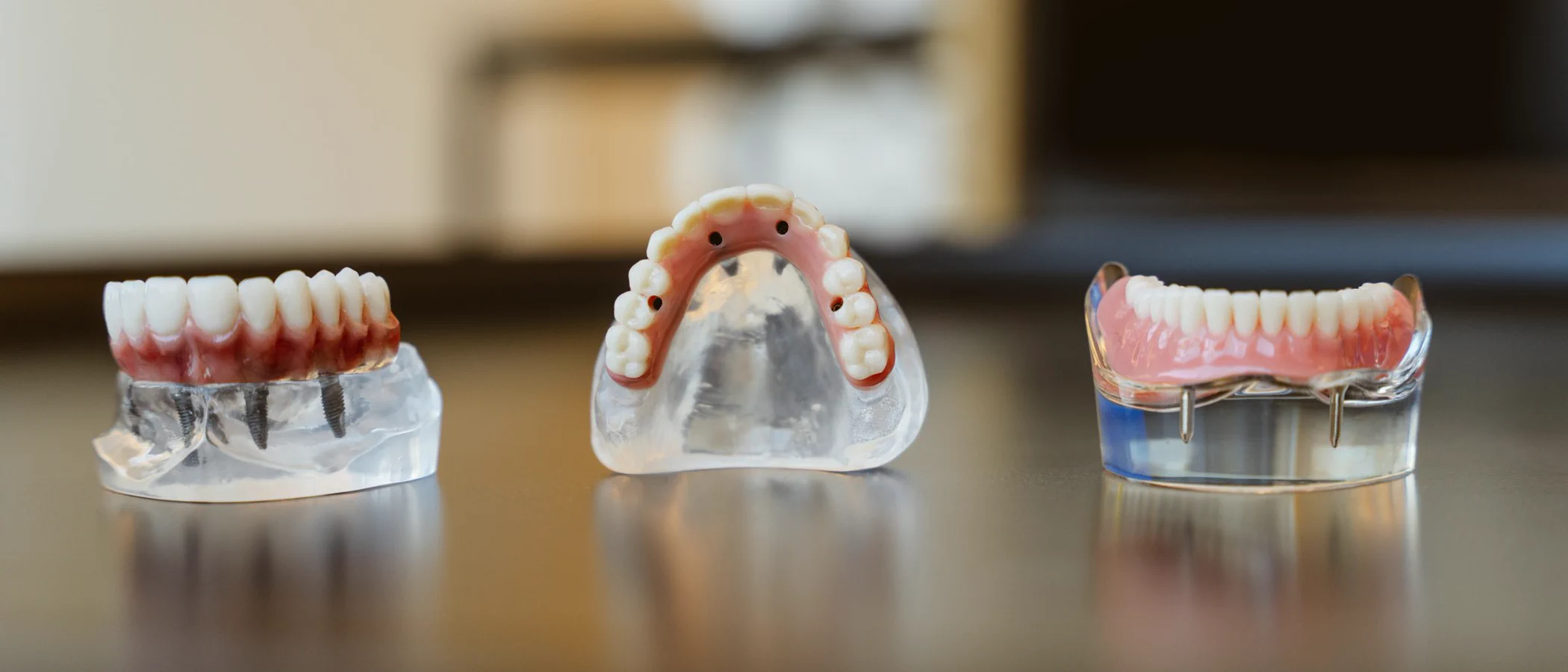
People imagine implant surgery as a matter of steady hands. Hands matter — but by the time my hands are involved, the most important work is already done. A full-arch rehabilitation — replacing every tooth in a jaw with a fixed bridge on dental implants — is a load-bearing structure installed in living tissue. It obeys the same logic as a bridge or a building: forces, anchor points, materials, tolerances. A human bite can generate hundreds of newtons of force, tens of thousands of chewing cycles a year, for decades. The structure we build has to carry all of it, in a warm, wet, biologically active environment, without the luxury of maintenance shutdowns.
So when a patient arrives at our London clinic with failing teeth, the first thing I look at is not the teeth. It is the bone. Bone is the foundation, and like any foundation it can be generous, adequate, or compromised — by years of gum disease, by extractions left unrestored, by dentures resting on a shrinking ridge. A CBCT scan tells us in fractions of a millimetre what we have to work with: density, volume, the position of the inferior alveolar nerve, the floor of the sinus. The plan is built backwards from that reality. Never from a brochure, never from wishful thinking.
The anatomy decides, not the brochure
I distrust the phrase 'one size fits all' anywhere near a jaw. Four implants are enough for many arches — the All-on-4 concept is one of the best documented protocols in implant dentistry, and tilting the posterior implants to avoid the sinus or nerve is sound engineering, not compromise. But the decision must come from the anatomy. Sometimes the answer is six fixtures to distribute load in softer bone. Sometimes the answer is regenerating bone first: guided bone regeneration, a sinus lift, or platelet-rich fibrin protocols that use the patient's own biology to rebuild what time has taken. And sometimes the answer is the one nobody advertises: not yet — treat the gum disease first, stabilise, then build.
Digital planning is the modern standard of care
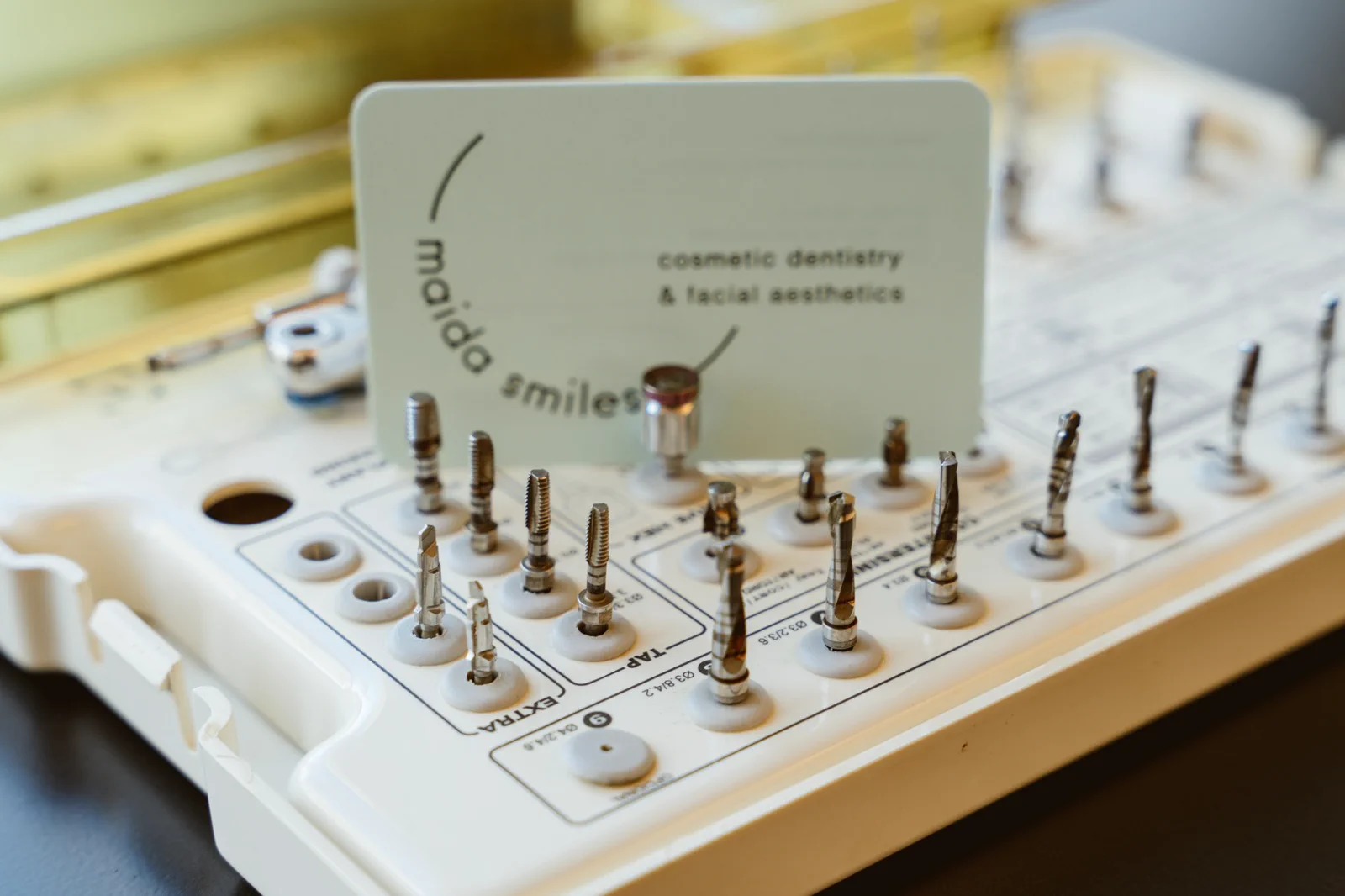
Every full-arch case we treat is planned in three dimensions before surgery: implant positions simulated against the CBCT, the prosthetic outcome designed first so the implants serve the teeth rather than the other way around, and — where indicated — a printed surgical guide that carries the digital plan into the mouth. Guided implant surgery does not replace surgical skill; it concentrates it. The guide removes the degrees of freedom that add risk, so that experience can be spent where anatomy genuinely surprises you. Immediate loading — teeth in a day — is then not a leap of faith but the final line of a spreadsheet that already balanced: torque values, bone density, occlusal design.
When you are told your case is 'impossible', what that usually means is that it is impossible without planning.
After two decades and thousands of implants placed — in London, and before that across Europe and the Americas — the discipline that protects a 97.6% success rate is not bravado. It is the refusal to skip steps. Diagnose honestly, plan digitally, execute precisely, and follow up for years, not weeks. Engineering does not stop when the structure is built; neither does implant dentistry. I have spent twenty years making the impossible merely complex — and the complex, routine.