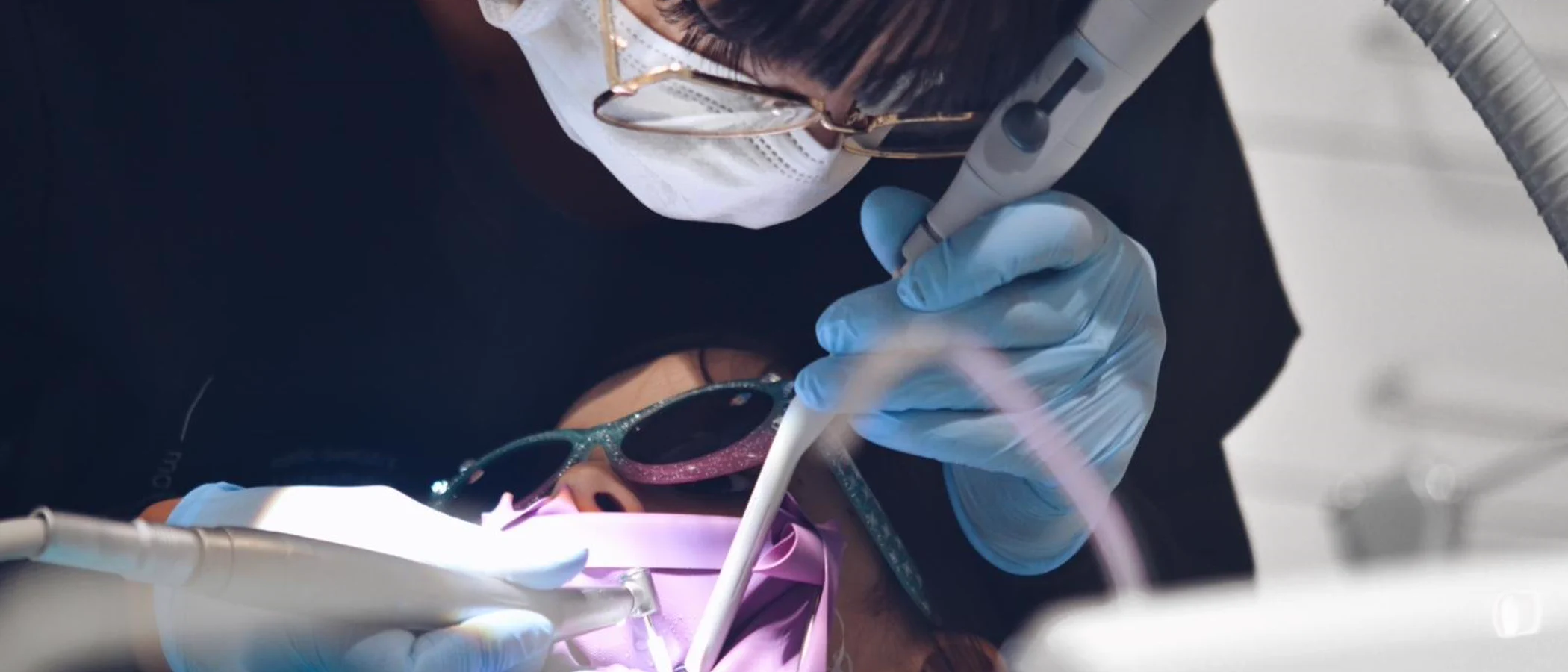
Recovery is one of the first subjects I discuss with a patient, because the phrase dental implant recovery time hides three different questions. When will the soreness and swelling settle? When will the gum have healed? And when will the bone have integrated sufficiently around the implant for us to consider the next stage? Those clocks move together, but they do not finish together. I would rather make that distinction before treatment than let one neat online timetable become an expectation.
In a straightforward case, the most noticeable effects are often concentrated in the first few days, the gum may settle over the following week or two, and osseointegration continues quietly for several months. These are useful broad landmarks, not a promise to an individual. Feeling comfortable is encouraging, but it does not prove that the biology beneath the gum is complete; examination, planning and review appointments turn a general timeline into a personal one. Good consent includes the possibility that healing, or the sequence around it, may need more time.
What recovery time really means
On the day of surgery, the first clock is the one a patient can feel. As the local anaesthetic wears off, the area may become sore, and the practical questions become immediate: how to eat, how to sleep and whether tomorrow's plans remain sensible. I prepare patients for that ordinary reality before we begin.
During the first 24 to 72 hours, soreness, swelling, light bleeding and bruising can all occur. Swelling may become more noticeable before it begins to ease, particularly after a more involved procedure. I explain this before treatment because tenderness or visible swelling can feel worrying when unexpected. The degree varies, even between two apparently similar treatments.
Over the first one to two weeks, many patients notice that eating, speaking and sleeping become easier. This is not a promise that everyone will feel ready for work, exercise or their usual meals on the same day. The site, number of implants, any extraction or grafting, general health and type of work all matter. Desk work and a physically demanding shift place different demands on a healing body.
A dental implant recovery week by week chart can provide broad orientation, but it can also suggest a precision the body does not possess. I prefer to look at the trajectory: discomfort and swelling should generally be moving in a calmer direction after the early peak. A patient can feel nearly normal while the bone beneath the gum is still healing, so symptom recovery should never be mistaken for completed integration.
If that expected direction reverses, or something simply feels wrong, I want the treating team to hear about it. There is no virtue in waiting because a generic timetable says concern is premature. The detailed warning signs depend partly on the procedure, but worsening symptoms deserve a conversation rather than self-diagnosis.
Good dental implant aftercare is therefore personal rather than formulaic. I provide instructions shaped by the procedure and patient, and those written directions should take priority over general advice about medicines, mouthwash, brushing, food or activity. If the instructions are unclear, contact the clinician rather than improvising. My aim is not to make recovery sound effortless, but to make it understandable: early symptoms usually have a pattern, deeper healing takes longer, and reviews allow us to judge both.
The healing beneath the surface
One of the most important distinctions I make is between the gum looking settled and the implant being ready to use. The early dental implant healing stages are visible: swelling eases, stitches dissolve or are removed, and the gum closes around the site. Beneath that calmer surface, however, bone is still responding to surgery and gradually remodelling around the implant.
This deeper process is osseointegration. It develops over months, and I cannot judge it from comfort alone. Feeling comfortable is useful information, but it is not proof that the bone has finished healing. When a patient asks how long a dental implant takes to heal, I explain that feeling recovered and being clinically ready for the next stage are different questions.
Readiness for the next stage is a clinical decision, not a date circled in advance. I review the tissues, the planned restoration and the clinical findings at follow-up before deciding whether to proceed. A forecast made at consultation is useful for organising treatment, but it remains an estimate; biology does not become certain because a calendar has been printed.
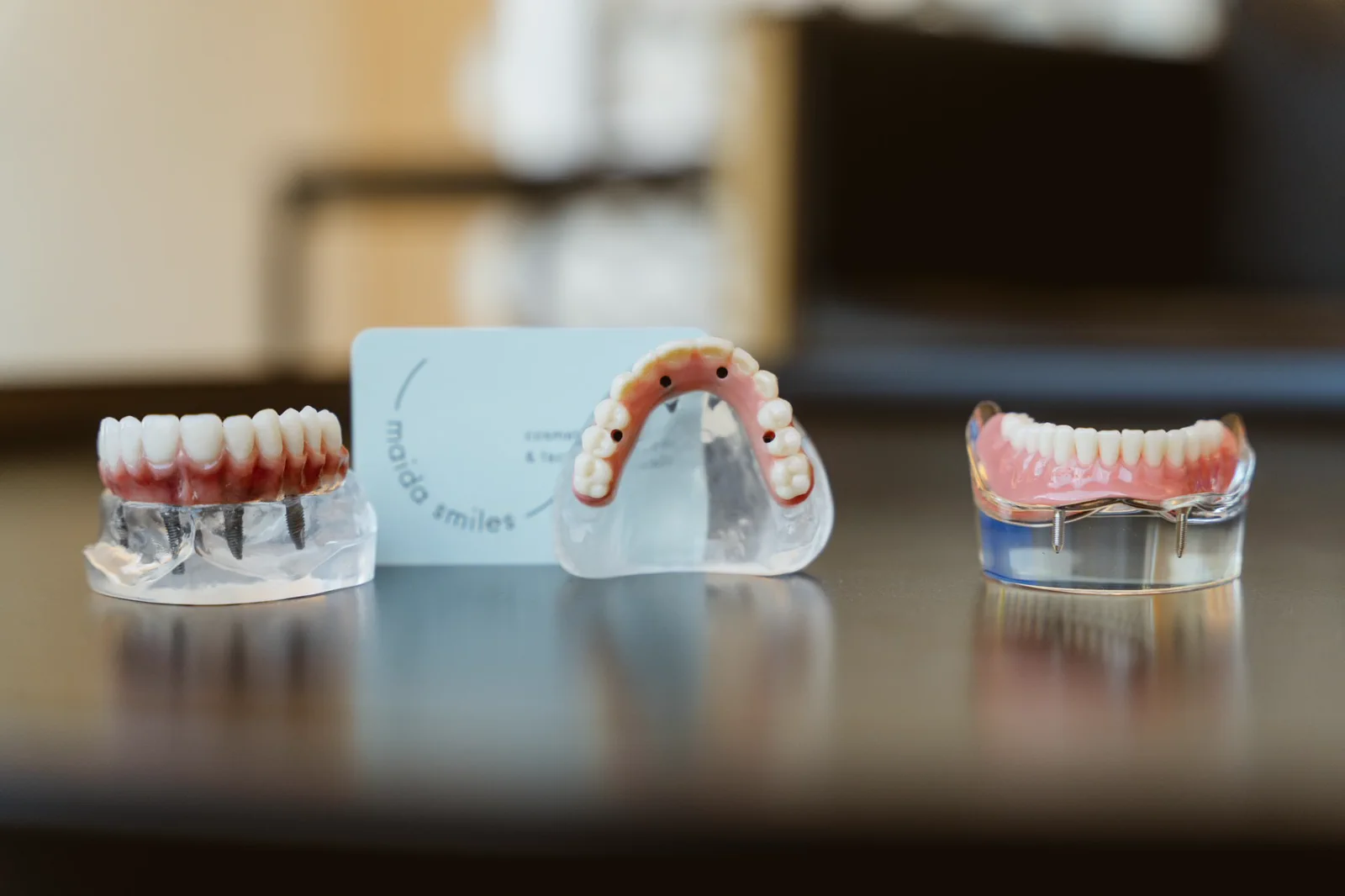
Several details shape that estimate. An implant placed in one site may follow a different course from several implants, and placement into a recently extracted socket raises different planning questions from a healed site. The amount and quality of bone and gum, the position in the mouth and the way the provisional or final tooth is intended to be loaded all matter. None of these factors works in isolation.
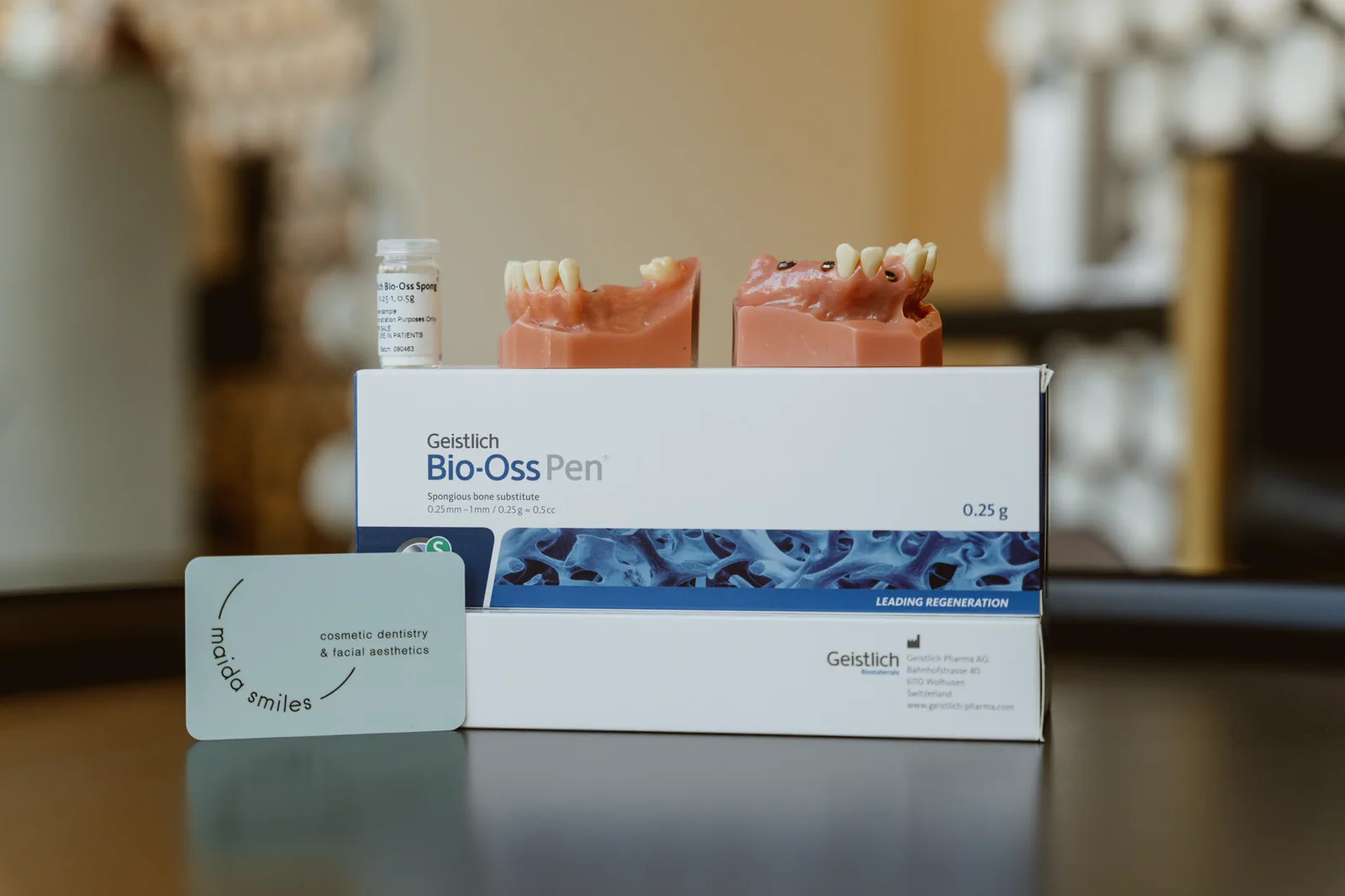
Bone grafting can add another layer. Dental implant recovery with bone graft treatment may involve extra healing or staged care, but not every graft is the same and not every graft requires the same sequence. I explain what was added, why it was needed and which part of the plan depends on its healing, rather than attaching a universal number of months to the word graft.
I also consider smoking or vaping, gum health, general health, diabetes control and medicines that may affect bleeding, bone or healing. These do not let me predict an outcome with certainty, but they can alter risk, timing and aftercare. Honest planning means bringing those uncertainties into the room before treatment: setting a sensible working timetable, explaining what could lengthen it, and agreeing how follow-up will guide each decision. I would rather revise an estimate than hurry biology to meet one.
Feeling comfortable is useful information, but it is not proof that the bone has finished healing.
Planning, aftercare and reasons to call
Before I suggest a date for surgery, I want to understand the person as well as the gap in their smile. I review medical and dental history, current medicines, smoking, gum health, available bone and the exact site involved. I also ask about work, caring responsibilities, travel and the concerns that may be harder to voice than a clinical symptom.
At consultations at Maida Smiles, this is time for questions and informed consent, not a formality on the way to treatment. As an implant dentist in London, I use examination and clinically justified scans to assess anatomy and consider the intended final tooth. Sometimes the responsible conclusion is that more information, preliminary care or a different option is needed.
Guided digital planning can help me map relevant anatomy and plan the implant position in relation to the future restoration. It is a valuable planning aid, but it cannot instruct bone to heal to a timetable or guarantee osseointegration. Good planning reduces avoidable uncertainty; it does not remove biological uncertainty.
Dental implant aftercare should be written for the treatment actually carried out. Advice about cleaning, eating, medicines, activity, a temporary tooth or denture may differ between patients, particularly when an extraction or graft is involved. I arrange reviews so that we can judge healing in person and adjust the next step, rather than treating the original calendar as a promise.
If you are wondering when to contact a dentist after implant surgery, call the treating clinician if bleeding does not settle, pain or swelling worsens, you develop a fever, notice discharge or a persistent unpleasant taste, experience altered sensation, or feel the implant or temporary tooth moving.
If you cannot reach the treating team and the problem is urgent, NHS 111 can direct you. Difficulty breathing or swallowing, severe swelling that threatens the airway, or bleeding that cannot be controlled needs emergency help. Beyond recovery, careful home cleaning and regular reviews remain part of protecting the implant and surrounding tissues.
The most useful answer to recovery is therefore not a date but a sequence: comfort returning, the gum settling, the bone integrating, and the restoration being reviewed in its own time. Before treatment, I want each patient to know which of those stages we are discussing, what might change the plan and when to contact us. Honest uncertainty is part of informed consent. My responsibility is to plan carefully, follow the healing and respond to the person in front of me, not force biology to obey a calendar.