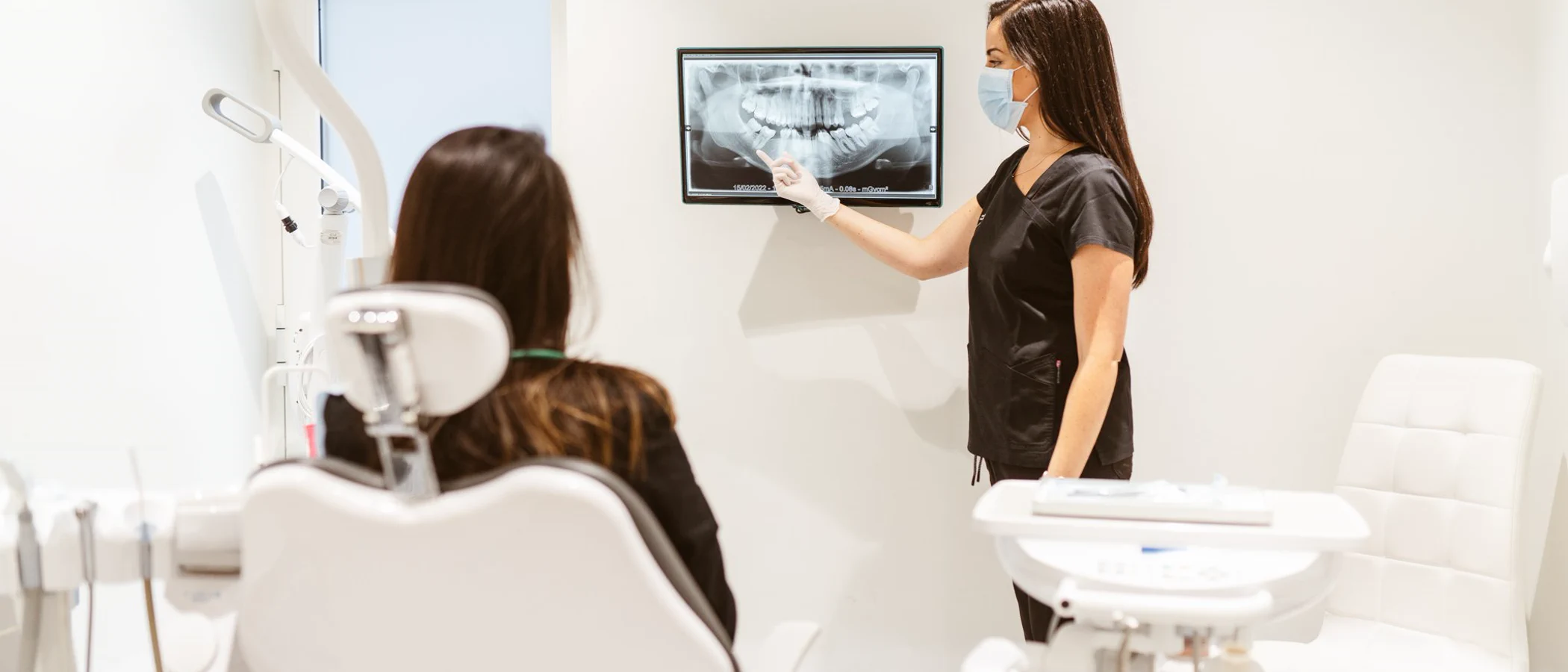
Surgery is the part of implant treatment people tend to picture: the chair, the instruments, the deliberate placement of an implant. Yet in my work, the most consequential part often begins earlier, during the dental implant consultation. That is where I first ask what has brought someone to this point, what they hope will change and what they are worried about. It is also where I begin to test whether an implant is a sensible answer at all. The operation is visible; clinical judgement is usually quieter.
I do not see this appointment as a formality on the way to an operating date. My first responsibility is not to confirm the treatment a patient has researched; it is to understand the person, examine the mouth and gather the evidence needed for a recommendation. A sound dental implant journey starts with shared understanding, including the possibility that we may need to pause, prepare or consider another option. Careful beginnings do not slow good treatment down. They give it direction and give the patient room to decide.

Listening before I diagnose
The first part of a consultation is not a scan or an examination. It is the moment when I ask what has brought someone to me, then give the answer enough room to unfold. A missing tooth can affect eating, confidence, speech or simply the ease with which a person moves through the day, and those priorities are not interchangeable. The reason matters because it tells me what treatment must serve.
I also need the less visible part of the story: medical and dental history, current medicines, allergies, previous treatment and any difficult experiences in a dental chair. Habits such as smoking, clenching and grinding may matter to healing, function or maintenance. I ask directly, but never to judge; accurate planning depends on an honest account.
This is where expectations begin to take a clearer shape. I want to understand what a patient hopes an implant might change, but also what they expect of the process, the timing and the upkeep afterwards. My responsibility is not to echo every hope back as a promise; it is to distinguish what may be achievable from what the examination and diagnostics still need to establish.
At Maida Smiles, I have often found that the most useful detail arrives after the obvious questions have been answered. Someone may be less concerned with replacing a visible gap than with eating comfortably, avoiding a removable denture or understanding how much treatment their health and schedule can reasonably accommodate. That detail can alter the direction of the consultation.
Working as an implant dentist in London means meeting people with very different histories, pressures and ideas of what a successful journey should look like. A careful conversation helps me test whether our understanding is shared before I begin to interpret the clinical evidence. When listening is hurried, even technically accurate information can be applied to the wrong question.
What I assess before implant treatment
When I examine someone for an implant, I do not look only at the space where a tooth is missing. I look at the mouth as a working whole: the health of the gums, the condition and position of neighbouring teeth, the way the teeth meet, the available space and the soft tissues that will frame the final restoration. The gap matters, but so does the environment around it.
Suitability is rarely a simple yes-or-no judgement made from one finding. Bone volume matters, but it sits alongside oral health, medical history, medicines, healing factors, hygiene, bite forces and what the patient expects the treatment to achieve. Sometimes an issue needs to be stabilised first; sometimes the plan needs to change; sometimes an alternative deserves equal consideration. Individual assessment is what turns a general possibility into a responsible recommendation.
I gather records in proportion to the question I am trying to answer. Clinical photographs can help me study the smile and soft tissues; radiographs can reveal information that the eye cannot see; digital scans or models can clarify space, tooth position and the intended shape of the restoration. None is collected simply because the technology exists. Each record should have a clinical purpose and should add something useful to the decision.
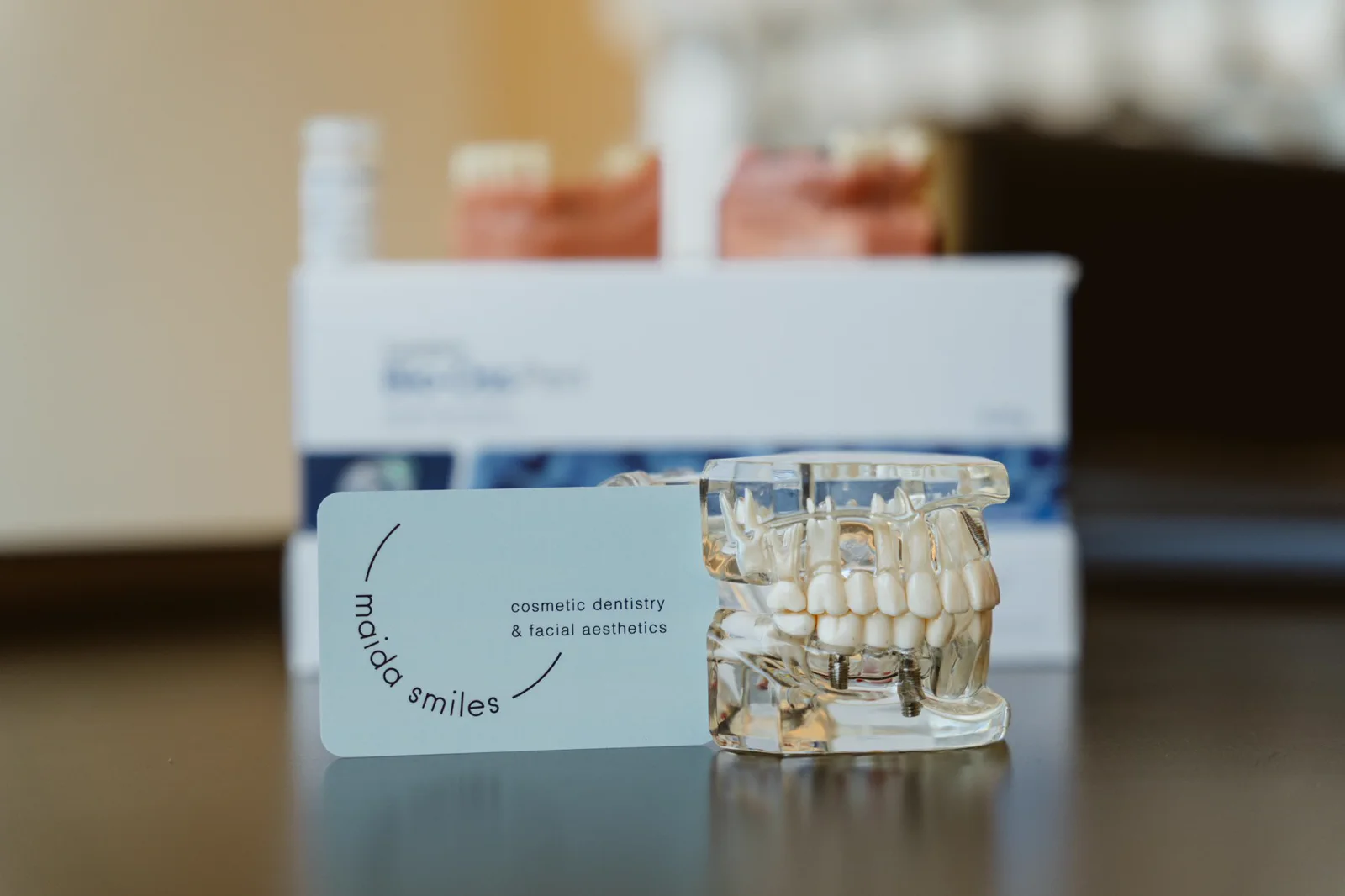
A CBCT scan provides three-dimensional information and can be valuable when it is clinically justified, particularly where I need to assess anatomy or plan a more complex site. It is not an automatic part of every first conversation, nor a shortcut around examination and judgement. I decide whether it is needed for the individual patient and explain why. A scan is evidence, not a complete plan.
The plan develops when those separate pieces are brought together. I consider not only whether an implant could be placed, but where the future tooth needs to sit, how it should function, what maintenance it will require and whether the proposed journey makes sense for that person. A careful consultation may confirm a direction, identify work that should come first, or show that more information is needed. That is not hesitation; it is the discipline of planning before operating.
Planning backwards from the finished tooth
For me, dental implant treatment planning starts with the tooth we want to finish with, not with the implant itself. I work backwards from the intended restoration, considering where it must sit, how it will meet the opposing teeth and how it should relate to the smile. That restorative destination informs the implant position, but also the bone and gum support required and whether the result can be cleaned effectively.
That wider view also keeps an implant from becoming the assumed answer. Depending on the findings, reasonable alternatives may include preserving a tooth, using a bridge or denture, accepting a space, or choosing no treatment for the time being. My task is to explain the likely advantages, limitations and compromises of the relevant choices, then allow the patient to consider which of them fits their health, priorities and circumstances.
What happens before dental implant surgery therefore varies. Gum disease, decay or other active problems may need to be stabilised; medical information may need clarification; further records may be justified; and preparatory treatment may need to be sequenced before a surgical date is sensible. None of these stages should be presented as automatic. I explain why each one is being considered and what question it is intended to answer.
A useful plan must also make uncertainty visible. I discuss the material risks and potential benefits, the proposed stages, broad timescales, costs and any foreseeable contingencies, while being honest about what cannot be known in advance. Maintenance belongs in that conversation from the start, because an implant-supported restoration still depends on daily care, professional review and the health of the surrounding mouth. A treatment plan that cannot be maintained is not yet a complete plan.
A treatment plan that cannot be maintained is not yet a complete plan.
Consent is not a form collected at the end of this process. It is an ongoing conversation, revisited if new information emerges, the plan changes or the patient’s priorities shift. Sometimes the most responsible outcome is “not yet”: time to improve health, gather evidence or think without pressure; sometimes it is a decision not to proceed. I regard both as valid outcomes of a careful dental implant journey, because good planning protects the freedom to stop as well as the possibility of going ahead.
I consider a consultation successful when a patient leaves clearer about what we know, what remains uncertain and which choices are reasonable. They should understand the trade-offs, the questions that still need answers and why I am recommending a particular direction—or why I am not ready to recommend one. Clarity matters whether surgery follows soon, later or not at all.
Surgery may be the most visible point in an implant journey, but it should never carry the whole weight of the decision. Listening, proportionate evidence and planning from the finished tooth give any later procedure its proper context. For me, thoughtful implant dentistry begins with a deliberate pause, before momentum carries anyone towards the operating chair.